- Triangle Edge News
- Posts
- 💰 The Real Cost of NOT Having a 24/7 Chatbot on Your Website
💰 The Real Cost of NOT Having a 24/7 Chatbot on Your Website
— The Invisible Invoice Draining Your Revenue Every Month

Earle A. Conway
April 09, 2024

Every month, your business pays an invisible invoice. It doesn't show up in QuickBooks. Your accountant never mentions it. But it's draining thousands—sometimes tens of thousands—of dollars from your potential revenue.
It's the cost of not having a chatbot.
While you're analyzing every line item in your budget, cutting costs here and negotiating better rates there, this massive expense goes completely unnoticed. Why? Because you can't see what you're not capturing.

Let's calculate the real numbers. This isn't theory or marketing hype. This is cold, hard math about what your business is losing right now.
📊 How Much Are You Actually Losing? The Lead Loss Calculator
Pull up your Google Analytics. Look at your monthly website visitors. Let's say you get 1,000 visitors per month (adjust these numbers for your actual traffic).
Industry data shows that 2-5% of website visitors will convert to leads when they can get immediate help with their questions. We'll be conservative and use 3%.
1,000 visitors × 3% conversion rate = 30 potential leads monthly
But here's the problem: approximately 60% of web traffic happens outside business hours. That's when people research services—during lunch breaks, after kids are in bed, on weekend mornings.
So out of 30 potential leads, you're only available for 40% of them.
30 potential leads × 40% availability = 12 captured leads 30 potential leads × 60% unavailability = 18 lost leads monthly

You're losing 18 qualified leads every single month simply because nobody was there when they needed help.
💵 What Do Lost Leads Cost in Real Dollars?
Now let's translate those lost leads into actual revenue impact.
What's your average customer value? For this example, let's say $3,000 (adjust for your business).
What's your lead-to-customer conversion rate? A good conversion rate from lead to customer is 20-30%. We'll use 25%.
The math:
18 lost leads per month × 25% conversion rate = 4.5 lost customers monthly
Let's round down to 4 customers (being conservative)
4 lost customers × $3,000 average value = $12,000 in lost monthly revenue
Annual loss: $144,000
And remember, we used conservative numbers. If your traffic is higher, your average sale is larger, or your conversion rate is better, the loss is even more dramatic.
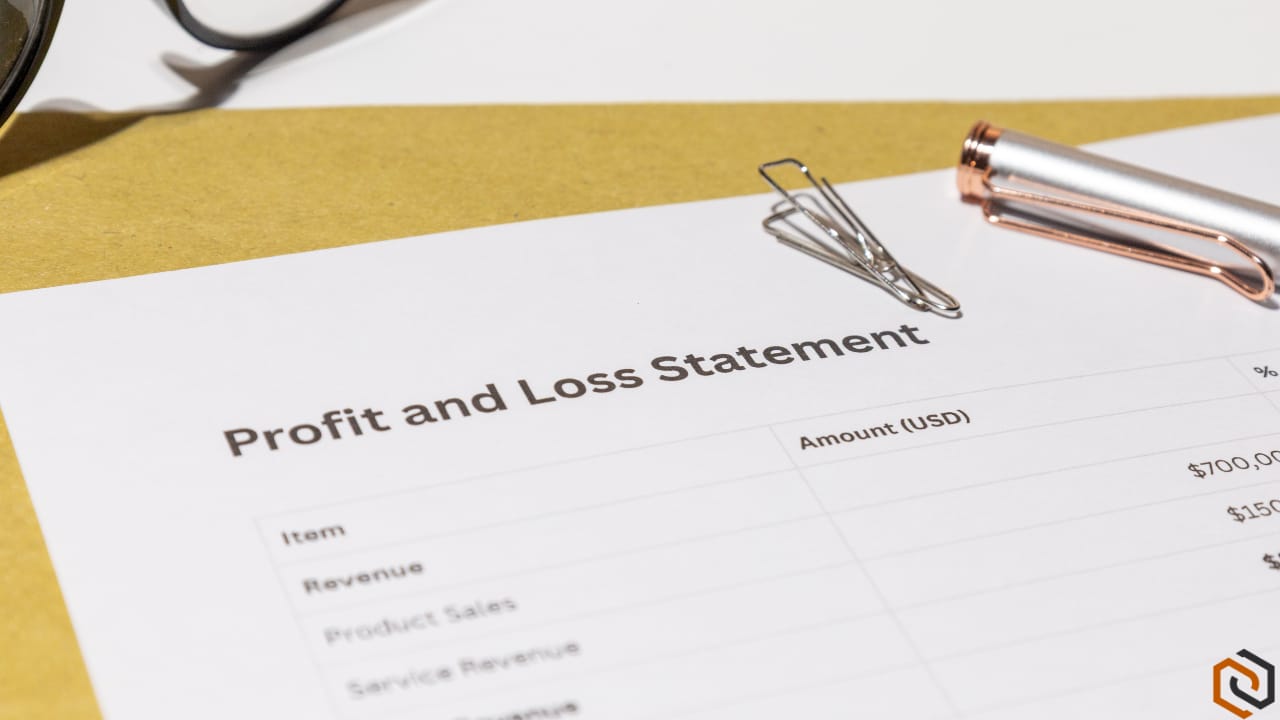
Real business example: A regional law firm tracked this exact scenario. They averaged 2,500 monthly website visitors. Their average case value was $8,500.
Using the same math:
2,500 visitors × 3% = 75 potential leads
60% happen after hours = 45 lost leads monthly
45 leads × 30% conversion = 13.5 lost clients
13 clients × $8,500 = $110,500 lost monthly
Annual loss: $1,326,000
Over a million dollars in revenue walking away every year because they were closed when prospects needed them.
They implemented a chatbot. Six months later, they'd recovered $680,000 of that lost revenue. The chatbot cost them $5,000 to implement and $250/month to run. ROI: 13,500% in the first six months.
⏱️ The Response Time Penalty: Why Speed Matters More Than Ever
Even if you eventually respond to leads, speed matters more than almost anything else in modern business.
Harvard Business Review research findings: Firms responding to leads within 5 minutes were 100 times more likelyto connect and qualify the lead compared to those who responded after 30 minutes.
Let that sink in. One hundred times more likely.
Yet the average business takes 42 hours to respond to a web inquiry. By then, the prospect has:
Contacted 3-5 competitors
Made a decision
Moved on with their life
Forgotten they even inquired with you
InsideSales.com lead response study results:
They studied 1.25 million sales leads and found:
Responding in 5 minutes vs 10 minutes = 400% decrease in qualification success
Responding after 10 minutes vs immediately = lead quality drops by 90%
Responding the next day = you're essentially starting over
Your contact form delivers inquiries to your email. You check email twice daily. Even in the best case, you're responding 4+ hours later.
That's not fast enough. Not in 2025. Not when your competitor has a chatbot responding in 3 seconds.
💼 The Hidden Staff Costs Nobody Calculates
"But we have someone answering the phone during business hours!"
Great. How much is that costing you?
Scenario 1: Receptionist/Admin Annual Costs
Base salary: $35,000
Payroll taxes (7.65%): $2,678
Health insurance: $5,000
Paid time off (10 days): $1,346
Training and onboarding: $2,000
Office space allocation: $1,500
Equipment and software: $1,500
Management oversight time: $2,000
Total annual cost: $51,024

What you get:
Coverage Monday-Friday, 9am-5pm (40 hours/week)
One conversation at a time
Inconsistent quality (bad days, distractions, sick days)
Limited to basic questions unless highly trained
128 hours weekly with zero coverage (76% of the time)
Turnover every 18-24 months requiring new hiring
Scenario 2: AI Chatbot Annual Costs
Implementation (one-time): $3,500
Monthly platform fee: $200
Monthly maintenance: $150
First year total: $7,700
Ongoing annual cost: $4,200
What you get:
Coverage 24/7/365 (168 hours/week)
Unlimited simultaneous conversations
Perfect consistency every single interaction
Instant access to complete service information
Zero hours without coverage
No turnover, no hiring, no training
The chatbot costs 91% less than one employee while providing 400% more coverage.
🔄 The Opportunity Cost: What Could Your Team Be Doing Instead?
Every hour your team spends answering basic questions is an hour not spent on revenue-generating activities.
Common questions eating your team's time:
"What are your hours?"
"Do you service my area?"
"What's your pricing?"
"Do you offer X service?"
"How do I schedule an appointment?"
These questions get asked dozens of times weekly. Each one takes 2-5 minutes to answer. Multiply that across a month, and your team has spent 20-40 hours on repetitive FAQs.

40 hours of staff time per month × $30/hour = $1,200 in labor costs
But the real cost is what they COULD have been doing instead:
Following up with hot leads
Closing sales conversations
Building client relationships
Developing new service offerings
Strategic business development
If your team's revenue-generating activities produce $150/hour in value, and they're spending 40 hours on basic questions, that's $6,000 in lost opportunity cost monthly.
$72,000 annually.
A chatbot handles those questions for $4,200 annually. That's $67,800 in recovered value every year.
🏆 The Competitive Disadvantage That Compounds Over Time
While you're closed, your competitors are capturing leads. While you're taking 24 hours to respond, they're booking consultations in 3 minutes.
This creates a compounding disadvantage. Every lead they capture is one you don't get. Every customer they convert is someone who could have been yours.
In highly competitive markets, the businesses with chatbots are systematically pulling ahead. They're:
Capturing 30-40% more leads from the same traffic
Converting at higher rates because of instant response
Building larger customer bases
Generating more revenue to reinvest in growth
Creating a competitive moat that gets harder to cross every month

The gap widens every month.
The longer you wait to implement AI automation, the further behind you fall. Eventually, catching up becomes nearly impossible because competitors have:
Captured significant market share
Built brand dominance in your space
Optimized their systems through months of data
Established customer loyalty
📉 The Customer Experience Erosion Impact
Modern consumers expect instant answers. They're conditioned by Amazon, Netflix, and Google to get what they want immediately.
When your website can't answer basic questions instantly, you're failing the customer experience test.
What poor response times create:
Customer frustration: "Why can't I get a simple answer?"
Brand distrust: "If they can't respond to a website inquiry, how will they handle my actual service?"
Reputation damage: "They seem unprofessional compared to competitors"
Lost referrals: Frustrated prospects don't refer others to businesses that didn't help them

Customer experience statistics:
89% of consumers have stopped doing business with a company after a poor experience
The #1 complaint? Slow response times
73% of customers say valuing their time is the most important thing a company can do
Every negative experience doesn't just lose one lead—it potentially impacts multiple future opportunities through word-of-mouth and online reviews.
🎯 The Data Intelligence Gap You're Missing
Every conversation a chatbot has provides valuable business intelligence that manual processes never capture:
What questions are people asking? This reveals what your marketing isn't communicating clearly. If 50 people ask "Do you service Durham?" your website needs to display service areas more prominently.
What objections come up repeatedly? "Your pricing seems high" appearing in 30% of conversations means you need to better communicate value proposition.
What services get the most interest? Discovering that 60% of inquiries ask about Service A but your homepage features Service B means misaligned marketing.
What time do prospects visit? Learning that 40% of traffic comes between 8-10pm means after-hours coverage is critical.

What language resonates? Understanding which phrases, benefits, and explanations generate positive responses improves all your messaging.
Without a chatbot capturing these conversations, you're flying blind. You're guessing at what prospects want instead of knowing exactly what they're asking for.
Companies using chatbot analytics report 25-40% improvement in conversion rates simply from optimizing messaging based on conversation data they were previously missing.
💯 The Total Cost Calculation: Adding It All Up
Let's compile the complete picture of what NOT having a chatbot actually costs:
Lost after-hours leads: $144,000 annually Staff time on repetitive questions: $72,000 annually Slow response time conversion losses: $50,000 annually Poor customer experience impact: $20,000 annually Competitive disadvantage: Difficult to quantify, but significant Missed business intelligence: $15,000 annually in optimization value
Total annual cost of NOT having a chatbot: $301,000+
Cost of implementing a chatbot: $7,700 first year, $4,200 ongoing
You're paying $301,000 to avoid spending $7,700.
That's not a smart business decision. That's leaving money on the table while competitors pick it up.
❓ FAQ: Common Questions About Chatbot Costs and ROI
Q: How quickly does a chatbot pay for itself? A: Most businesses recover implementation costs within 60-90 days through captured leads that would have been lost. The typical ROI calculation shows 400-800% return in year one.

Q: What's the average cost of chatbot implementation for small businesses? A: Professional implementation ranges from $2,000-$8,000 depending on complexity. Monthly costs run $50-$300. Total first-year investment averages $5,000-$12,000.
Q: Can't we just hire a virtual assistant for cheaper? A: Virtual assistants cost $15-$25/hour. Even at 20 hours weekly, that's $1,300-$2,000 monthly ($15,600-$24,000 annually) for limited coverage. Chatbots provide 24/7 coverage for a fraction of that cost.
Q: What if my business is too small for a chatbot? A: Small businesses benefit most. You can't afford 24/7 staff, but you can afford a chatbot that gives you enterprise-level availability on a small business budget.
Q: How do I calculate my specific potential loss? A: Use this formula: (Monthly website visitors × 3% × 60% missed hours × 25% conversion rate × average customer value) = monthly lost revenue.
🎯 The Question Isn't "Can We Afford It?"
Most businesses ask: "Can we afford a chatbot?"
The better question is: "Can we afford NOT to have one?"
When you're losing $25,000+ monthly to the invisible invoice of missed opportunities, the ROI calculation becomes absurdly obvious.
Every month you delay costs you:
More lost leads to competitors
More competitive ground given up
More revenue left on the table
More scaling limitations
More frustrated prospects who could have been customers
The decision isn't WHETHER to implement a chatbot. It's how fast you can get one deployed before you lose another month of revenue.
✅ Stop Paying the Invisible Invoice
Triangle Edge Marketing builds custom chatbot systems for small and midsize businesses tired of losing leads to slow response times and limited availability.
What you get with our chatbot implementation:
Complete ROI analysis showing exactly what you're losing now
Custom chatbot design based on your actual customer questions
Brand voice training for authentic conversations (not robotic)
Full CRM and calendar integration for seamless lead management
30-day optimization period with unlimited adjustments
Ongoing support and updates as your business evolves
The numbers don't lie:
Average implementation timeline: 3 weeks
Average time to positive ROI: 6-8 weeks
Average first-year revenue recovery: $180,000+
Average client satisfaction rating: 4.9/5 stars
Ready to stop the bleeding?
[Get Your Free ROI Assessment →]
We'll analyze your website traffic, calculate your exact lost revenue, and show you precisely what a chatbot would recover for YOUR business. No generic pitches. No pressure. Just real numbers based on your actual data.
In your 30-minute assessment, we'll show you:
Exactly how many leads you're losing monthly
The dollar value of those lost opportunities
How our chatbot would capture and qualify them automatically
Your projected ROI timeline with specific numbers
What implementation looks like for your business
Real case studies from businesses similar to yours
The invisible invoice arrives every month whether you see it or not. Isn't it time to stop paying it?
[Schedule Your Free ROI Assessment Now →]
Every day you wait costs you more leads, more revenue, and more competitive ground. Book your assessment today and take the first step toward capturing every opportunity your business deserves.
[Book Your Assessment - It Takes 60 Seconds →]
🟠🟠🟠🟠🟠Loved it
🟠🟠🟠It was ok
🟠🟠Terrible
Reply to this email.